
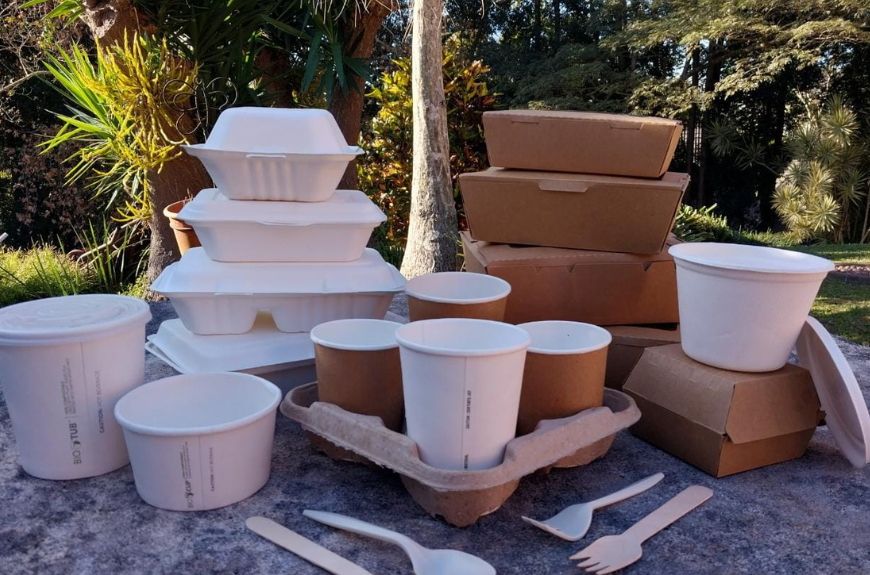
As people become more conscious of their impact on the environment, the world is witnessing a shift towards sustainable practices. One area where this is particularly evident is packaging. The use of single-use plastics and other non-recyclable materials is becoming less acceptable, and consumers are demanding alternatives that are kinder to the planet. In response, businesses are exploring new ways to package their products in a way that is both environmentally friendly and cost-effective. Conscious consumerism is the future of packaging, and it is essential that businesses embrace this trend if they want to remain competitive. In this article, we will explore why conscious consumerism is the way forward for packaging and how businesses can make the transition to more sustainable packaging solutions. From biodegradable materials to reusable packaging, we will explore the options available and offer practical advice on how to implement them in your business. So, without further ado, let’s dive into the world of conscious consumerism and packaging.
The Impact of Traditional Packaging on the Environment
Traditional packaging has a significant impact on the environment. Most packaging materials are non-recyclable, which means they end up in landfills where they take centuries to decompose. This not only takes up valuable space, but it also releases harmful chemicals into the soil and water. Additionally, the production of packaging materials requires the use of fossil fuels, which contribute to climate change. The transportation of these materials also adds to the carbon footprint of businesses.
However, the biggest issue with traditional packaging is the use of single-use plastics. These plastics are designed to be used once and then discarded, but they end up in the ocean where they harm marine life and enter the food chain. Plastic pollution is a significant threat to the environment, and it is estimated that by 2050, there will be more plastic in the ocean than fish.
Benefits of Conscious Consumerism in Packaging
Conscious consumerism in packaging has numerous benefits. First and foremost, it is better for the environment. By using sustainable packaging materials, businesses can reduce their carbon footprint and minimize waste. This not only benefits the planet, but it also appeals to consumers who are increasingly concerned about the impact of their purchases on the environment.
Secondly, conscious consumerism in packaging can save businesses money in the long run. Sustainable packaging materials may be more expensive initially, but they are often more durable and can be reused or recycled. This reduces the need for businesses to constantly purchase new packaging materials, which can be costly.
Finally, conscious consumerism in packaging can improve a business’s reputation. Consumers are more likely to support businesses that are committed to sustainability, and this can lead to increased loyalty and sales.
Examples of Companies Embracing Conscious Consumerism in Packaging
Many companies have already embraced conscious consumerism in packaging. One example is Lush, a cosmetics company that uses biodegradable packaging materials such as recycled paper, cork, and bioplastic. Lush also encourages customers to return their packaging for reuse, and the company has a “naked” packaging policy where products are sold without any packaging at all.
Another example is Coca-Cola, which has set a goal of making all of its packaging recyclable by 2025. The company is also exploring the use of plant-based materials for its packaging.
Patagonia is another company that has embraced conscious consumerism in packaging. The outdoor clothing company uses recycled materials for its packaging and encourages customers to recycle their clothing through its Worn Wear program.
How to Implement Conscious Consumerism in Packaging – Tips for Businesses
Implementing conscious consumerism in packaging can be a daunting task for businesses, but it is essential for those who want to remain competitive in today’s market. Here are some tips for making the transition to more sustainable packaging solutions:
- Conduct a packaging audit: A packaging audit can help businesses identify areas where they can reduce waste and implement more sustainable solutions.
- Choose sustainable materials: There are many sustainable packaging materials available, including biodegradable plastics, recycled paper, and plant-based materials. Businesses should choose materials that are both environmentally friendly and cost-effective.
- Reduce packaging: Businesses can reduce their carbon footprint by minimizing the amount of packaging they use. This not only benefits the environment, but it also saves money.
- Use recycled materials: Using recycled materials for packaging not only reduces waste but also supports the recycling industry.
- Encourage consumer recycling: Businesses should encourage consumers to recycle their packaging by providing clear instructions and making it easy to do so.
Sustainable Packaging Options
There are many sustainable packaging options available to businesses. Here are some of the most popular: - Biodegradable plastics: Biodegradable plastics are made from natural materials such as cornstarch and break down quickly in the environment.
- Recycled paper: Recycled paper is made from post-consumer waste and is an excellent alternative to traditional packaging materials.
- Plant-based materials: Plant-based materials such as bamboo and sugarcane are renewable and biodegradable, making them an excellent choice for sustainable packaging.
- Reusable packaging: Reusable packaging, such as glass jars and cloth bags, can be used multiple times, reducing waste and saving money.
Consumer Education and Awareness
Consumer education and awareness are essential for the success of conscious consumerism in packaging. Businesses should educate their customers about the importance of sustainable packaging and provide clear instructions on how to recycle their packaging.
Additionally, businesses can use marketing and advertising to promote their commitment to sustainability. This can help build brand loyalty and attract customers who are concerned about the environment.
The Future of Conscious Consumerism in Packaging
The future of conscious consumerism in packaging is bright. As consumers become more aware of the impact of their purchases on the environment, they will demand more sustainable packaging solutions. This will drive innovation in the packaging industry and lead to the development of new, more environmentally friendly materials.
Additionally, governments around the world are taking steps to address plastic pollution. Many countries have banned single-use plastics, and others are considering similar measures. This will further drive the adoption of sustainable packaging solutions.
Challenges and Obstacles to Adopting Conscious Consumerism in Packaging
Despite the benefits of conscious consumerism in packaging, there are still challenges and obstacles to its adoption. One of the biggest challenges is the cost of sustainable packaging materials. While these materials may be more environmentally friendly, they are often more expensive than traditional packaging materials.
Another challenge is consumer behavior. While consumers are increasingly concerned about the environment, they may not be willing to pay more for sustainable packaging. Additionally, some consumers may not be aware of the impact of their purchases on the environment.
Finally, there are logistical challenges to adopting sustainable packaging solutions. Businesses may need to invest in new equipment and processes to implement these solutions, which can be costly and time-consuming.