
Introduction:
In today’s world, sustainability has become a significant concern across various industries. The coffee industry is no exception, with the rising demand for convenient, on-the-go beverages contributing to an increase in single-use coffee cups. While these cups offer convenience, they often pose a threat to the environment due to their plastic lining. In response to this issue, eco-friendly coffee cups have emerged as a potential alternative. In this blog post, we will explore the sustainability battle between eco-friendly coffee cups and plastic-lined cups, examining their environmental impact, production processes, and potential benefits.
The Environmental Impact:
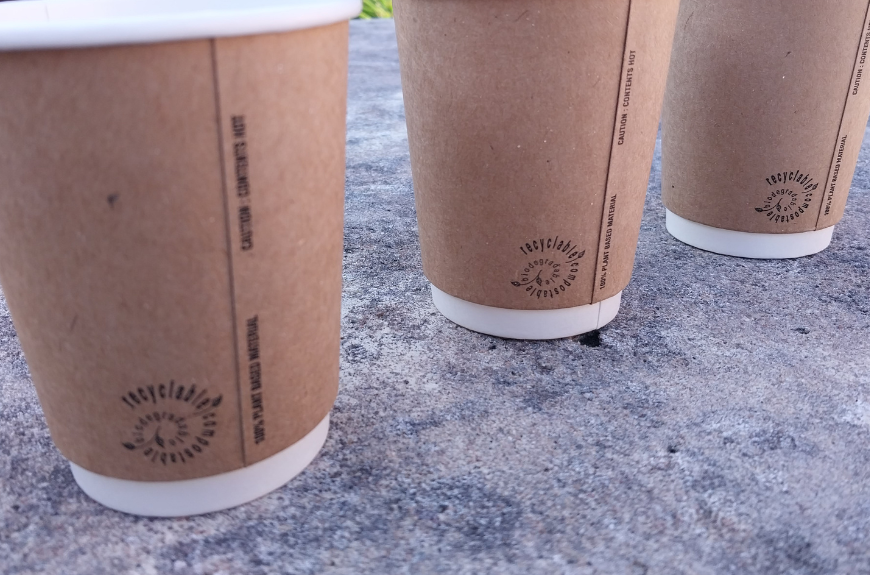
The environmental impact of coffee cups is a pressing issue. Standard plastic-lined cups are typically made from materials that are not easily recyclable or biodegradable. As a result, they often end up in landfills or contribute to the growing problem of plastic pollution in oceans and waterways. On the other hand, eco-friendly coffee cups are designed to address this concern. They are made from renewable or compostable materials, reducing their impact on the environment.
Production Processes:
The production processes of eco-friendly coffee cups and plastic-lined cups differ significantly. Standard plastic-lined cups require the use of non-renewable resources, such as petroleum-based plastics. The manufacturing process also involves high energy consumption and generates greenhouse gas emissions. In contrast, eco-friendly coffee cups are manufactured using sustainable materials like plant-based plastics, recycled paper, or bamboo. These materials have a lower carbon footprint and can be produced through more environmentally friendly processes.
Recycling and Disposal:
One of the challenges with plastic-lined coffee cups is their limited recyclability. The plastic lining makes it difficult to separate the cup from the lining, leading to contamination issues in recycling facilities. As a result, a significant portion of plastic-lined cups ends up in landfills. In contrast, eco-friendly coffee cups are designed to be compostable or easily recyclable. They can be broken down into organic matter or recycled into new products, reducing waste and minimizing environmental harm.
Consumer Awareness and Behaviour:
Consumer awareness and behaviour play a crucial role in the sustainability battle between coffee cup options. While many individuals strive to make environmentally conscious choices, some are still unaware of the impact of their coffee cup choice. Educating consumers about the environmental consequences of plastic-lined cups and promoting the use of eco-friendly alternatives can drive positive change. Encouraging behavior changes, such as carrying reusable cups or choosing coffee shops that offer eco-friendly options, can significantly contribute to reducing the consumption of single-use cups.
Potential Benefits of Eco-Friendly Coffee Cups:
Aside from their positive environmental impact, eco-friendly coffee cups offer additional benefits. For instance, many eco-friendly cups are designed to provide better insulation, keeping beverages hot for longer periods. They also tend to be more aesthetically pleasing, with various designs and materials available. Additionally, some coffee shops even offer discounts or incentives to customers who bring their own eco-friendly cups, promoting sustainable practices.
Conclusion:
The sustainability battle between eco-friendly coffee cups and plastic-lined cups is a critical issue in today’s coffee industry. While plastic-lined cups have dominated the market due to their convenience, their detrimental environmental impact cannot be ignored. Eco-friendly coffee cups offer a viable alternative, promoting sustainability using renewable or compostable materials. By choosing eco-friendly options and raising awareness among consumers, we can make a significant difference in reducing waste, protecting the environment, and ensuring a more sustainable future for the coffee industry.